
Beginner’s Guide to Guitar Chords (With Easy Charts)
If you’re just starting your guitar journey, learning these basic open chords is essential.
Once you master them, you’ll be able to play hundreds of popular songs easily!
Below is a simple explanation of each chord — including finger placement, how to strum, and the sound character.
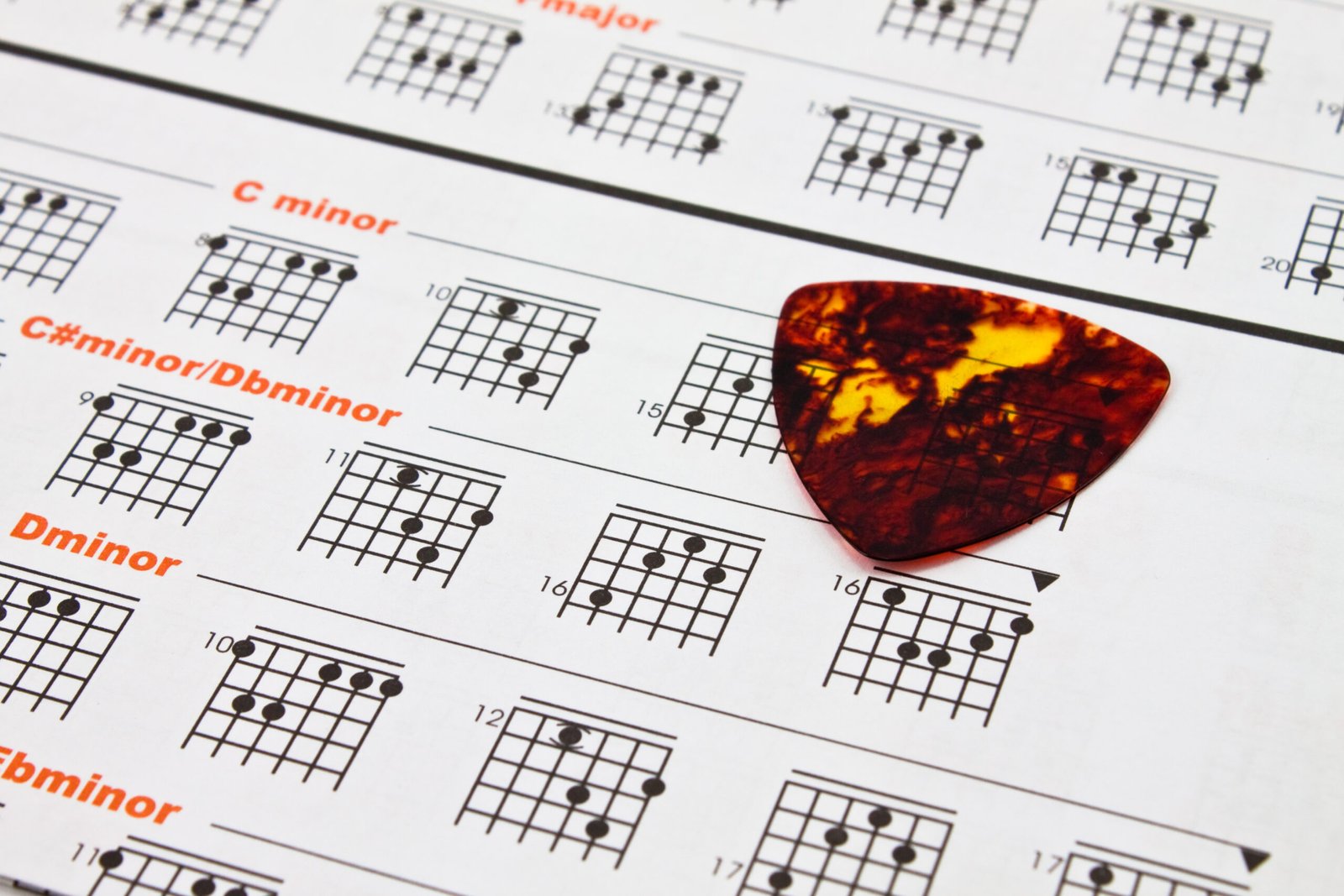
Today we’ll learn how to learn to play guitar chords. This is our guide. You can see the main chords shown here. Beginners can easily learn from this guide. all choard image credit: chord bank


E Minor (Em)
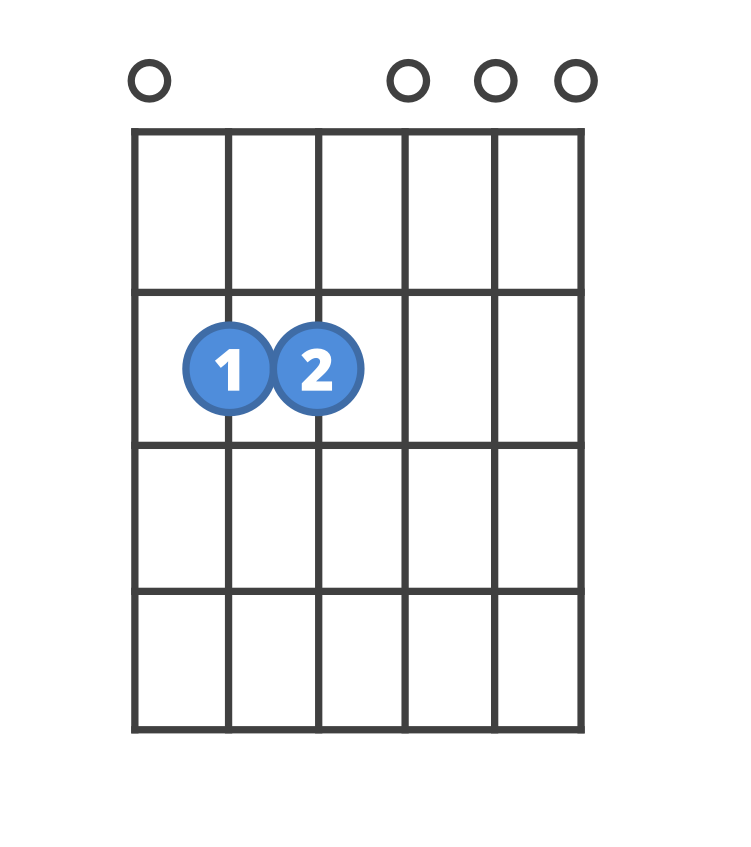
The E Minor (Em) chord is one of the easiest and most popular beginner guitar chords. It uses only two fingers placed on the 5th and 4th strings at the 2nd fret. Strum all six strings to create a soft, emotional, and mellow sound commonly used in slow and soulful songs.
- Finger placement:
Middle finger (2) → 5th string, 2nd fret
Ring finger (3) → 4th string, 2nd fret
- Strum all 6 strings
- Sound: Sad and emotional tone — great for soft, mellow songs.
video credit : you tuber
E Major (E)
The E Major (E) chord is one of the most important and versatile beginner guitar chords. It uses three fingers: the index on the 3rd string (1st fret), the middle on the 5th string (2nd fret), and the ring finger on the 4th string (2nd fret). You strum all six strings to produce a bright, strong, and uplifting sound. E Major is commonly used in rock, pop, blues, and country music. Because of its full tone and simple shape, it helps beginners develop finger strength and smooth chord transitions.
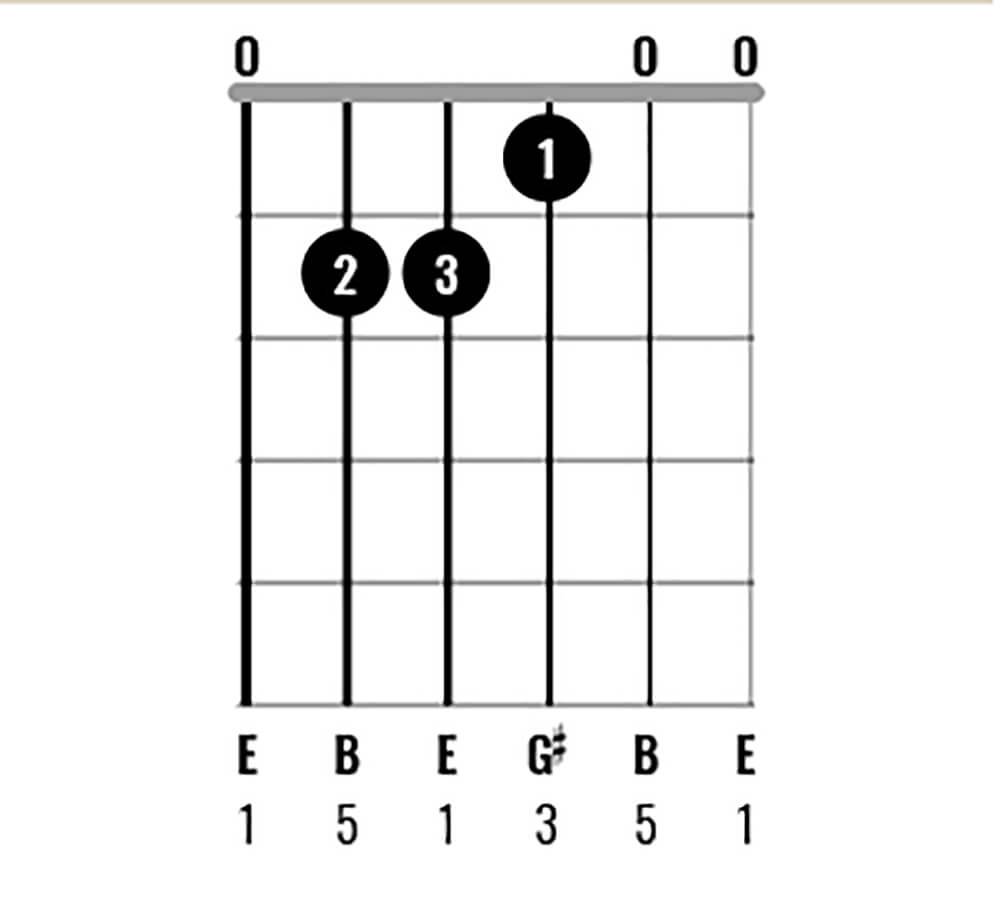
- Index (1) → 3rd string, 1st fret
- Middle (2) → 5th string, 2nd fret
- Ring (3) → 4thstring, 2nd fret
- Strum all 6 strings
- Sound: Bright,strong, and uplifting.
A Minor (Am)
The A Minor (Am) chord is a soft, emotional-sounding chord that is perfect for beginners. It uses three fingers placed on the 2nd, 3rd, and 4th strings at the 1st and 2nd frets. You strum only the bottom five strings, avoiding the 6th string. Am is commonly used in mellow, sad, and acoustic-style songs.
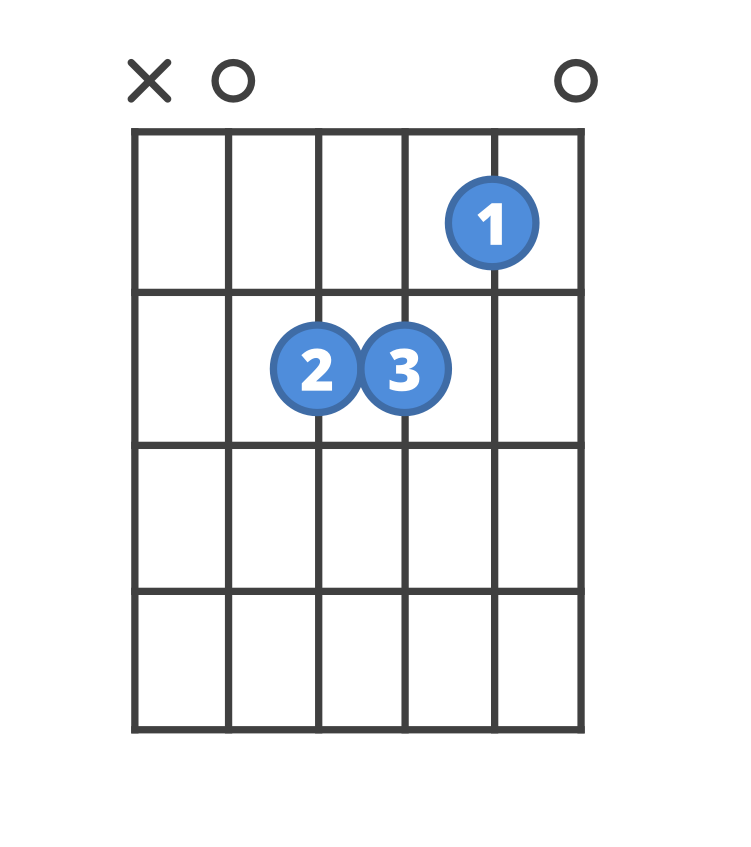
- Index (1) → 2nd string, 1st fret
- Middle (2) → 4th string, 2nd fret
- Ring (3) → 3rd string, 2nd fret
- Strum 5 strings only, mute the 6th string
- Sound: Soft, emotional, and smooth.
C Major (C)
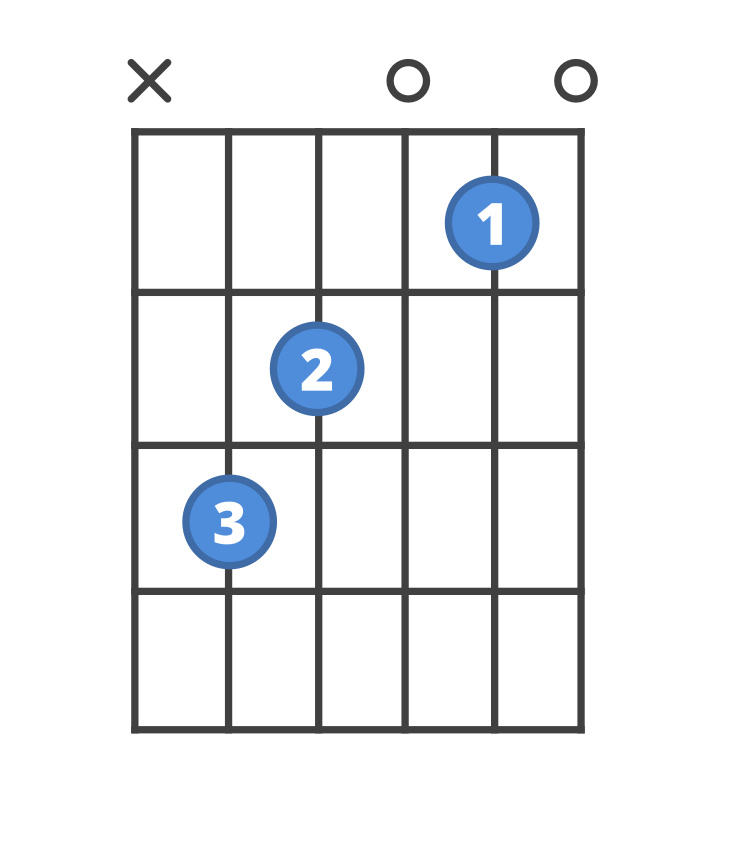
The C Major (C) chord is one of the first and most essential chords every beginner learns on the guitar. It uses three fingers placed across the 1st, 2nd, and 3rd frets, forming an open, sweet, and bright sound. Your ring finger goes on the 5th string, 3rd fret; middle finger on the 4th string, 2nd fret; and index finger on the 2nd string, 1st fret. When playing C Major, you strum only the bottom five strings and avoid the 6th string for a cleaner tone. This chord appears in countless pop, folk, and acoustic songs, making it very useful for beginners.
- Ring (3) → 5th string, 3rd fret
- Middle (2) → 4th string, 2nd fret
- Index (1) → 2nd string, 1st fret
- Mute the 6th string
- Sound: Clear, sweet, and melodic
G Major (G)
The G Major (G) chord is a bright, full-sounding chord often used in pop, rock, and country music. It uses three fingers placed on the 6th, 5th, and 1st strings. Strum all six strings to create a rich, open tone, making it perfect for beginner-friendly chord progressions.
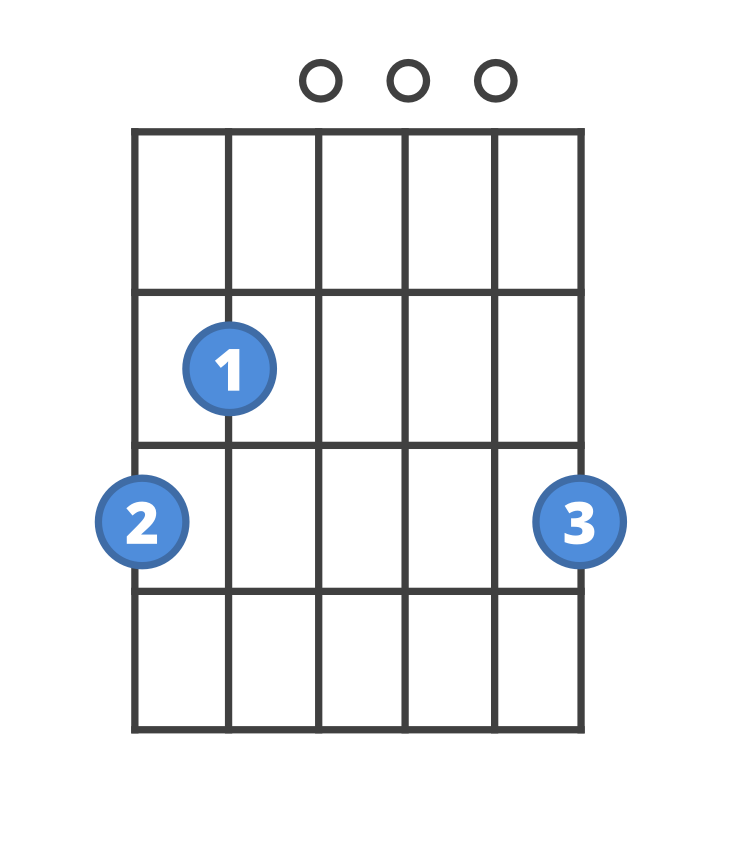
- Middle (2) → 6th string, 3rd fret
- Index (1) → 5th string, 2nd fret
- Ring (3) → 1st string, 3rd fret
- Strum all 6 strings
- Sound: Full, open, and perfect for pop or rock songs.
D Major (D)
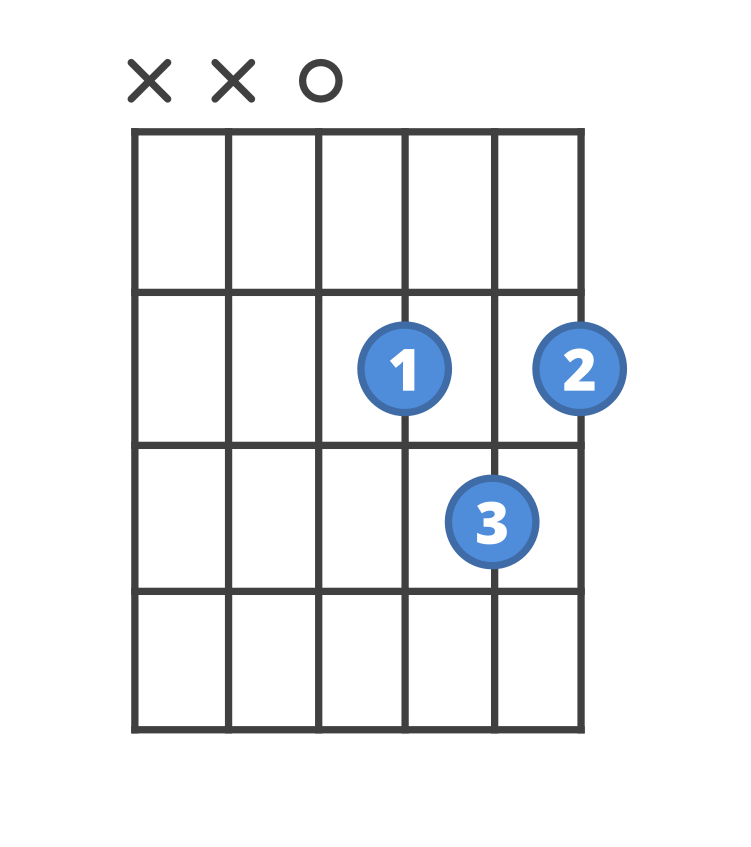
The D Major (D) chord is a bright, crisp-sounding chord that every beginner should learn. It uses three fingers placed close together: the index on the 3rd string (2nd fret), the middle on the 1st string (2nd fret), and the ring finger on the 2nd string (3rd fret). You strum only the bottom four strings to produce a clean, sparkling tone. D major is widely used in pop, folk, and acoustic rhythm patterns.
- Index (1) → 3rd string, 2nd fret
- Middle (2) → 1st string, 2nd fret
- Ring (3) → 2nd string, 3rd fret
- Play only the bottom 4 strings
- Sound: Crisp, bright, and happy.
A Major (A)
The A Major (A) chord is a clear, bright, and rhythmic-sounding chord perfect for beginners. It uses three fingers placed tightly together on the 2nd fret of the 4th, 3rd, and 2nd strings. You strum only the bottom five strings, avoiding the 6th string. A Major is common in pop, country, and acoustic strumming patterns.
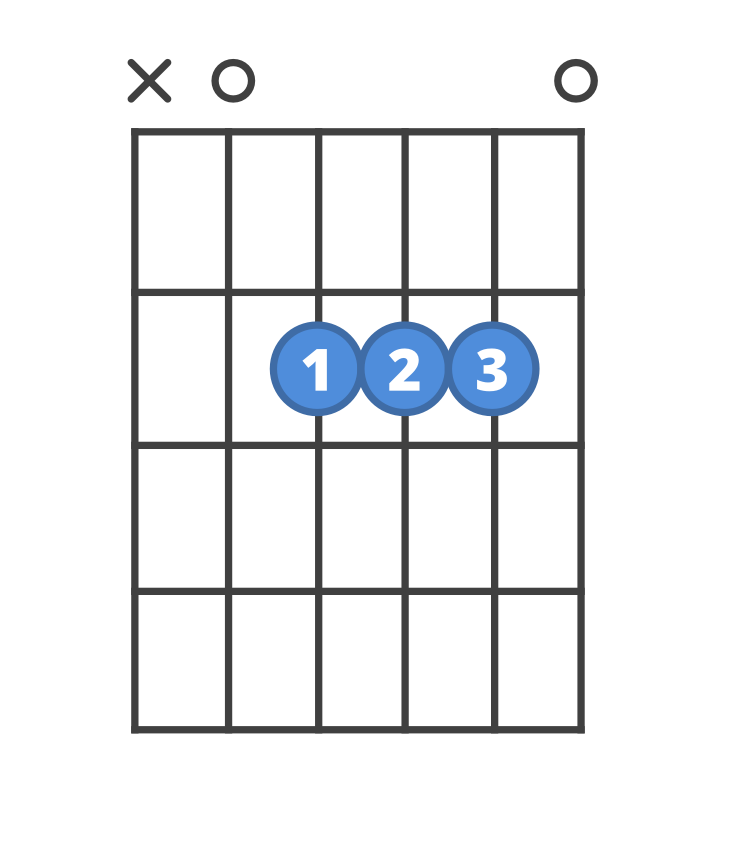
- Index (1) → 4th string, 2nd fret
- Middle (2) → 3rd string, 2nd fret
- Ring (3) → 2nd string, 2nd fret
- Mute the 6th string
- Sound: Clear and rhythmic, great for strumming patterns.
F Major (Mini Barre Version)
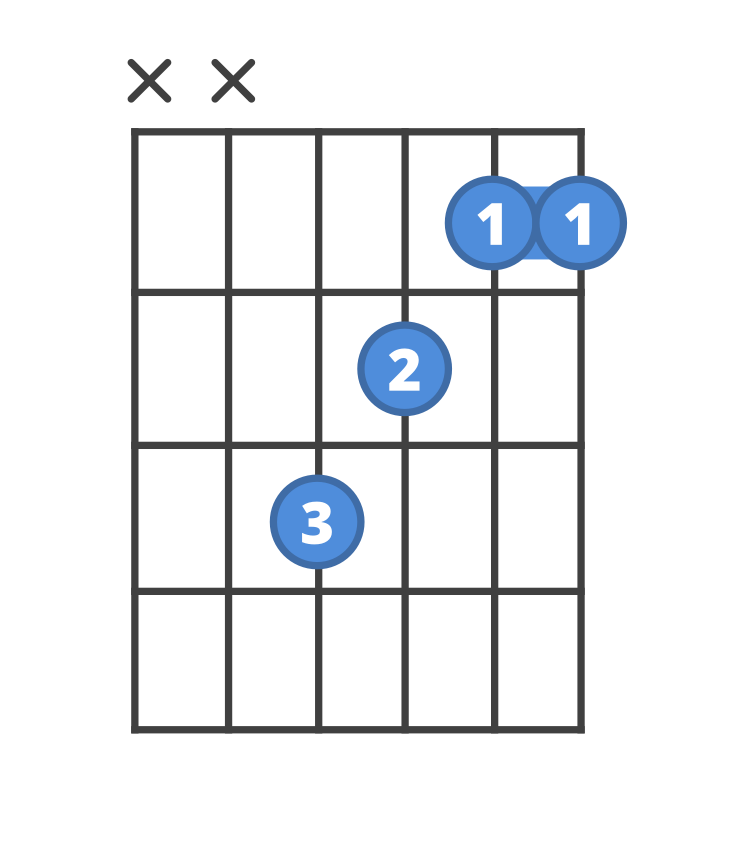
The F Major (mini barre) chord is a beginner-friendly version of the full F barre chord. It uses a small barre created with the index finger, placed across the 1st and 2nd strings at the 1st fret. The middle finger goes on the 3rd string, 2nd fret, and the ring finger on the 4th string, 3rd fret. You strum only the top four strings for a clean and rich sound. This chord helps beginners build finger strength and prepares them for full barre chords. F Major is commonly used in pop, acoustic, and classic chord progressions.
- Index (1) → 1st fret, covering 1st and 2nd strings (mini barre)
- Middle (2) → 3rd string, 2nd fret
- Ring (3) → 4th string, 3rd fret
- Play only top 4 strings
- Sound: Deep, rich, and professional tone.
Practice these chords for at least 15–20 minutes every day and focus on smooth transitions between chords like C → G → D → Am.
Within a few weeks, you’ll be able to play many songs with confidence!
The most important beginner guitar chords include Em, E, Am, C, G, D, A, and F. These open chords are easy to play and form the foundation of hundreds of popular songs. Em and Am give a soft, emotional feel, while E and G sound bright and powerful. C and D produce clear, melodic tones perfect for smooth transitions. A major creates a rhythmic, balanced sound, and F (mini barre) adds a richer, fuller texture. Practicing these chords daily improves finger strength, switching speed, and overall control, helping beginners play songs confidently.
Aap yah page bhi padhe – Home,English Songs,Hindi Songs,Contact Us,About Us,Disclaimer,Privacy Policy & Terms of Use
keywords
easy guitar chords for beginners,basic guitar chords chart,open guitar chords,guitar chords step by step,learn guitar chords,how to play guitar chords,beginner guitar lessons,guitar chord finger placement,guitar chord guide for beginners,acoustic guitar chords tutorial